Chicken Tinga Tacos With a Measured Tomato Sauce
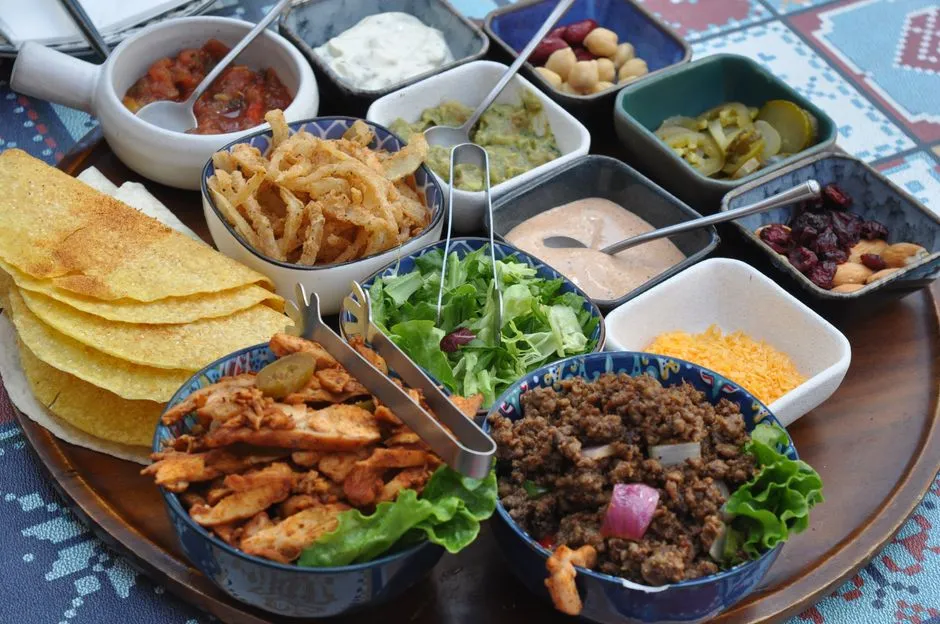
- Build the sauce around the chicken, then reduce it
- Recipe at a glance
- Ingredients
- Set up for raw chicken safely
- Blend a smooth tomato-chipotle base
- Soften the onion without browning it hard
- Simmer the chicken to temperature
- Reduce while the chicken rests and shreds
- Portion by finished weight
- Adjust the recipe without losing track
- Troubleshoot the finished tinga
- Cool and store promptly
Build the sauce around the chicken, then reduce it
For 12 chicken tinga tacos, simmer 900 grams boneless chicken thighs in a sauce of 400 grams tomatoes, 250 grams sliced onion, 240 millilitres broth, garlic, chipotle, oregano, oil, and measured salt. Cook the thickest pieces to 165°F (73.9°C), shred them, then reduce the sauce before returning the meat. Weigh the finished filling and divide by 12; evaporation does not accept a fixed portion size merely because the recipe would find one convenient.
This is a practical home formula, not a claim to one definitive tinga. The measured batch gives you a repeatable place to start and clear decisions for heat, sauce thickness, and yield.
Recipe at a glance
- Yield: 12 tacos
- Pan: wide 4- to 5-litre sauté pan or Dutch oven with lid
- Preparation: about 20 minutes
- Cooking and handling: 41 to 55 minutes
- Total: 61 to 75 minutes
- Chicken endpoint: 165°F (73.9°C) in the thickest pieces
The cooking range adds 8–10 minutes for onion, 3–5 minutes to bring the sauce to a simmer, 18–25 minutes for the chicken, 10–12 minutes for two concurrent jobs—reducing the sauce while the chicken rests and is shredded—and 2–3 minutes to finish them together. Minimum: 8 + 3 + 18 + 10 + 2 = 41 minutes. Maximum: 10 + 5 + 25 + 12 + 3 = 55 minutes.
Thickness of the thighs, starting temperature, burner, pan width, tomato water, and desired reduction all affect the clock. The thermometer decides chicken doneness; the spoon trail decides sauce thickness.
Ingredients
- 900 grams boneless, skinless chicken thighs
- 15 millilitres neutral cooking oil
- 250 grams white onion, thinly sliced
- 400 grams canned whole or diced tomatoes with their juice
- 240 millilitres low-sodium chicken broth or water
- 10 grams garlic, roughly 2 medium cloves
- 1 to 2 canned chipotle chiles in adobo
- 15 grams adobo sauce from the can
- 2 grams dried Mexican oregano, crushed between your fingers
- 8 grams fine salt, divided, plus more only after tasting
- 12 corn or flour tortillas for serving
Optional toppings can include sliced cabbage or lettuce, radish, avocado, diced onion, cilantro, lime, crema, or cheese. These are serving choices, not camouflage for a watery filling.
Chipotle cans vary in chile size, salt, sweetness, and heat. One chile makes the heat easier to share; two produce a more assertive batch. Use the same brand and measured amount when comparing batches.
Set up for raw chicken safely
Keep raw chicken and its package away from tortillas, toppings, clean utensils, and produce. Use a separate board or prepare all ready-to-eat garnishes before the chicken enters the workspace. Wash hands, tools, and surfaces after contact with raw poultry.
Do not wash the chicken. The USDA chicken safety guide warns that rinsing can spread contamination and gives 165°F as the safe minimum internal temperature for chicken. Pat unusually wet pieces with disposable paper towel if needed, discard it immediately, and clean the surrounding area.
Trim only loose excess fat. Do not cut the thighs into tiny pieces; whole pieces are easier to temperature-check and remain simpler to remove for shredding.
Blend a smooth tomato-chipotle base
Add the tomatoes and their juice, broth, garlic, chipotle chile, adobo sauce, oregano, and 4 grams of the salt to a blender. Blend until smooth, pausing to scrape the jar if necessary.
Cold or room-temperature ingredients are safest in a standard blender. If using a hot ingredient in another variation, follow the blender manufacturer's venting and fill instructions; sealed hot liquid can build pressure.
Taste a tiny drop of the uncooked tomato mixture only if it has not contacted chicken. It will taste raw and sharper than the final sauce, but it can tell you whether one chipotle is already enough. Do not keep sampling from utensils that later touch poultry.
Soften the onion without browning it hard
Heat the oil in the wide pan over medium heat. Add the sliced onion and the remaining 4 grams salt. Cook for 8 to 10 minutes, stirring every minute or two, until the onion is soft and translucent with a few pale golden edges.
Lower the heat if the onion darkens rapidly. Deep browning is not unsafe, but it shifts the sauce toward sweetness and roasted flavour. The goal here is a soft onion that remains distinct inside the shredded filling.
If the pan develops a light film, the tomato mixture will loosen it. Black bits mean the heat was too high; they do not become sophisticated when blended into the sauce.
Simmer the chicken to temperature
Pour the blended tomato mixture into the pan carefully; moisture can spit when it meets hot oil. Stir, scraping the base, and bring the sauce to a steady simmer over medium heat for 3 to 5 minutes.
Nestle the chicken thighs into the sauce in a single layer. Turn each piece once to coat it. Partially cover the pan, lower the heat to maintain a gentle simmer, and cook for 18 to 25 minutes, turning the pieces halfway through.
Begin checking the thickest pieces at 18 minutes. Insert a clean instant-read thermometer into the thickest area without touching the pan. Check several pieces because thickness varies. Remove each thigh to a clean tray when it reaches at least 165°F (73.9°C); do not wait for the slowest piece while the thinner ones keep cooking.
Color is not the endpoint. A safely cooked thigh may retain pink areas, and an undercooked piece can look done. The thermometer is less dramatic and much more useful.
Reduce while the chicken rests and shreds
Leave the sauce uncovered at a lively simmer for 8 to 12 minutes. Stir often, especially around the edges. It is ready when a spoon dragged across the pan leaves a path that remains visible for a second before the sauce flows back.
At the same time, rest the chicken for about 5 minutes, then shred it with two forks or clean gloved hands when cool enough to handle. Aim for strands and small pieces rather than cottony threads. Resting plus shredding usually takes 10 to 12 minutes, so it overlaps the sauce reduction instead of extending the total.
Return the shredded chicken and any tray juices to the reduced sauce. Stir over low heat for 2 to 3 minutes until every piece is coated and the filling is hot. If the mixture looks dry, add broth or water in measured 15-millilitre increments. If it still pools, simmer uncovered a little longer.
Taste now, when the chicken is safely cooked. Adjust salt in 1-gram increments and heat with a little additional adobo, remembering that toppings and cheese may add salt.
Portion by finished weight
Set a clean bowl on the scale, tare it, and weigh the finished filling. Divide by 12. If the batch weighs 1,100 grams, the calculation is:
1,100 ÷ 12 = 91.7 grams per taco
That is an example, not a promised yield weight. Your tomatoes and reduction may produce a different result. For smaller tacos, divide the batch into more portions and warm the matching number of tortillas.
Keep the tortillas wrapped in a clean towel or covered container after heating so they stay pliable. Add filling just before serving rather than letting sauce soak through a stack on the counter.
For a full meal, serve smaller taco portions with sopa de fideo or calabacitas con elote. If you want to build a chile puree from dry pods for another recipe, learn the safety and bitterness cues in the dried-chile guide before improvising a substitution here.
Adjust the recipe without losing track
Milder: Use one chipotle and 10 grams adobo. Keep the tomato, broth, and chicken amounts unchanged.
Hotter: Add the second chipotle after blending and tasting the first mixture, or offer a hot salsa at the table. Increasing heat for the entire pan is much easier than negotiating it away.
Using cooked chicken: Prepare and reduce the sauce without raw poultry. Fold in 650 to 700 grams shredded cooked chicken and heat through. When the chicken is refrigerated leftover food, bring the finished filling to 165°F (73.9°C).
Using chicken breast: Keep the weight at 900 grams, but start temperature checks sooner. Remove individual pieces at 165°F and avoid extended simmering after shredding.
Do not double the batch in the same pan unless it can still hold the chicken without crowding and reduce the sauce efficiently. Two normal pans are often faster than one tomato-filled cauldron conducting a moisture seminar.
Troubleshoot the finished tinga
Thin sauce: Remove the chicken if necessary and simmer the sauce uncovered in a wider pan. Do not add flour or starch before giving evaporation a chance.
Dry chicken: The pieces may have cooked past temperature or the sauce may have reduced too far. Add measured broth, fold gently, and shorten the next simmer.
Flat flavor: Check salt first, then acidity and smoke. Add salt in 1-gram increments or squeeze lime over individual tacos. More chipotle adds heat and smoke, not merely “more flavor.”
Bitter sauce: A scorched pan or too much adobo may be responsible. Do not scrape black deposits into the sauce. A little tomato can dilute mild bitterness, but a truly burned base is a restart, not a character-building exercise.
Cool and store promptly
Serve what you need, then move remaining tinga to shallow containers. The USDA leftovers guidance says to refrigerate within 2 hours, or within 1 hour when the temperature is above 90°F (32.2°C). Keep the refrigerator at 40°F (4.4°C) or below.
Use cooked chicken within 3 to 4 days or freeze it. Reheat leftovers to 165°F (73.9°C), checking more than one spot. Add a small measured splash of broth if the sauce tightened in storage.
Store toppings separately and follow their own dates and label instructions. Discard food that exceeded safe time or temperature limits; reheating is not a time machine.